Additional Info
A Brief History of Grade 4 Titanium
Grade 4 Titanium, also known as Titanium Grade 4, CP Titanium Grade 4, UNS R50700 or 3.7065, is the most common grade of commercial pure titanium, offering the highest strength and the widest range of applications.
It is a non-alloyed titanium and is not a titanium alloy such as Ti-6Al-4V; nor does it rely on alloying elements such as aluminium or vanadium for strengthening.
The characteristics of Grade 4 Titanium are clear: it offers higher strength than Grade 1, Grade 2 and Grade 3, whilst retaining the corrosion resistance and biocompatibility of commercial pure titanium. It is frequently used for components where standard commercial pure titanium lacks sufficient strength, yet it is necessary to maintain the unalloyed titanium material system.
How was the Grade 4 Titanium developed
Grade 4 Titanium was developed to address the issue of insufficient strength in commercial pure titanium.
Early Grade 1 and Grade 2 commercial pure titanium were already capable of meeting many requirements for corrosion resistance, weldability and formability, but their strength was limited. For dental and orthopaedic fasteners, surgical implant components, pressure equipment, parts used in seawater environments and high-strength corrosion-resistant components, low-strength commercial pure titanium alone was insufficient.
Although Grade 3 offered improved strength, performance bottlenecks persisted in the manufacture of complex components requiring greater structural integrity, enhanced structural stability or higher load-bearing capacity.
It was against this backdrop that Grade 4 Titanium emerged. Its development was not intended to create an entirely new titanium alloy, but rather to achieve a significant leap in strength within the commercial pure titanium material system. The core concept behind its development lay in strengthening the material through precise control of its chemical composition.
Researchers discovered that a moderate increase in the oxygen content of titanium is key to enhancing the material’s strength and hardness. Oxygen atoms enter the titanium crystal lattice as solid-solution impurities, significantly improving the material’s mechanical properties. At the same time, this increase in strength comes at a cost—ductility decreases accordingly, formability is reduced compared to Grade 1 and Grade 2, and machining difficulty increases.
Consequently, the positioning of Grade 4 Titanium is very clear: it is not intended to lower the processing threshold, but rather to achieve higher strength within the commercial pure titanium system whilst retaining the inherent excellent properties of commercial pure titanium.
Early Applications of Grade 4 Titanium
In its early stages, Grade 4 Titanium was primarily used in two main areas: medical implant components and corrosion-resistant industrial parts.
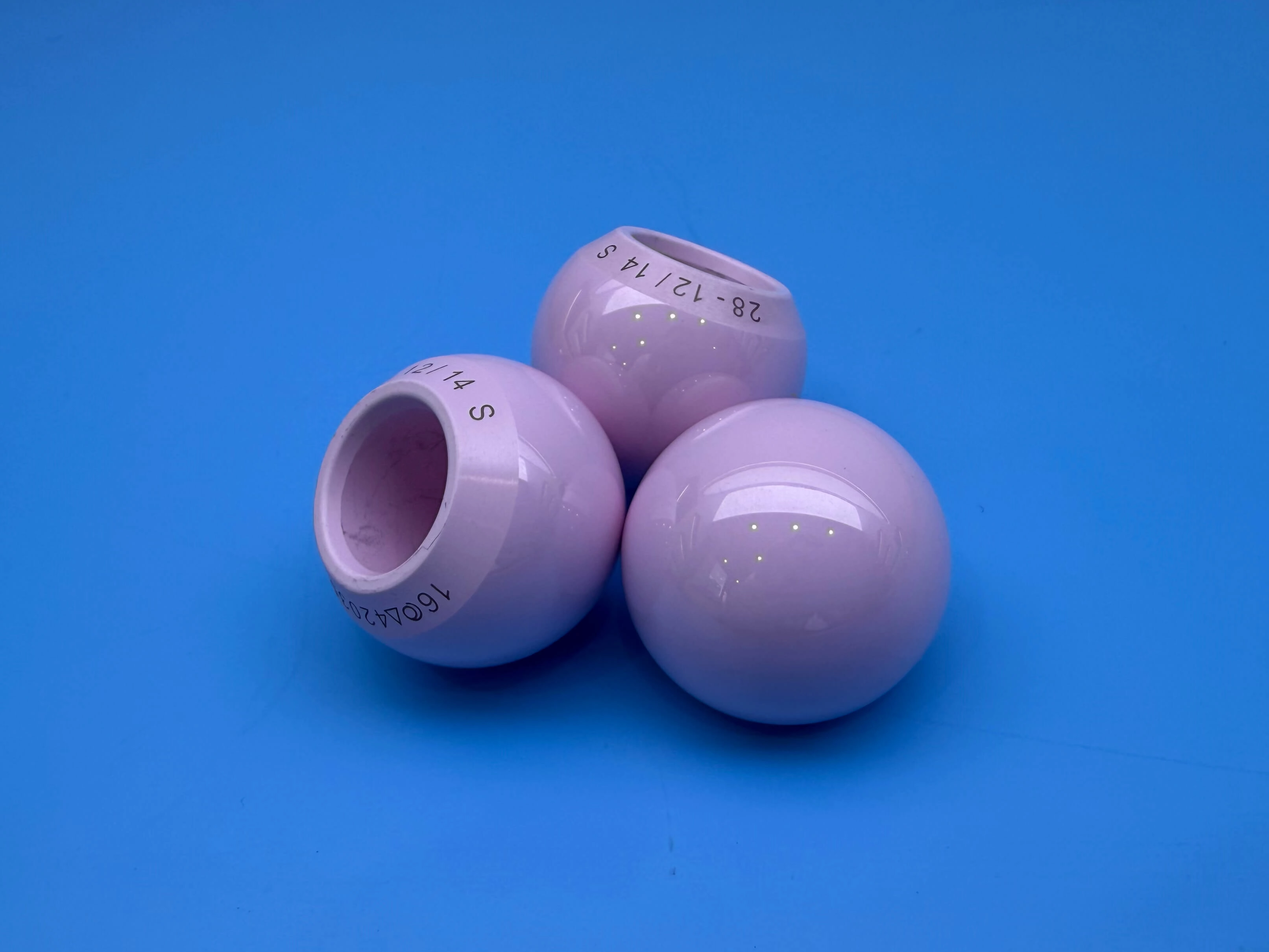
In the medical sector, it is used for pure titanium components requiring higher strength and good biocompatibility, such as dental implant components, orthopaedic fixation devices and surgical implant components.
In the industrial sector, it is used in chemical processing equipment, pressure vessel components, heat exchanger components, seawater system components, piping systems and corrosion-resistant structural components.
The reason for selecting Grade 4 Titanium for these applications is straightforward: the material must be corrosion-resistant whilst offering higher strength than Grade 2 or Grade 3.
Current Applications of Grade 4 Titanium
Grade 4 Titanium is currently primarily used for high-strength commercial pure titanium components, and is particularly suitable for corrosion-resistant, high-strength parts in the medical, dental, chemical, marine and mechanical engineering sectors.
Common applications include:
Medical applications: dental implant-related components, dental abutments, small titanium parts for dental restorations, orthopaedic fixation plates, bone screws, craniofacial fixation plates, surgical implant-related components, medical structural components, dental instrument parts and medical device components. Implant-related projects must be verified in accordance with ASTM F67, ISO 5832-2, drawing requirements, inspection documentation and end-use specifications.
Industrial and chemical applications: Chemical heat exchangers, pressure vessel components, reactor components, piping, corrosion-resistant liners, electrolysis equipment parts, seawater system components, pump and valve parts, and welded structural components.
Mechanical engineering applications: High-strength commercial pure titanium fasteners, support components, fastening-related parts, precision machined parts, small shaft components, corrosion-resistant structural components, and engineering titanium parts requiring high strength.
Sunxin’s Grade 4 Titanium Supply Support
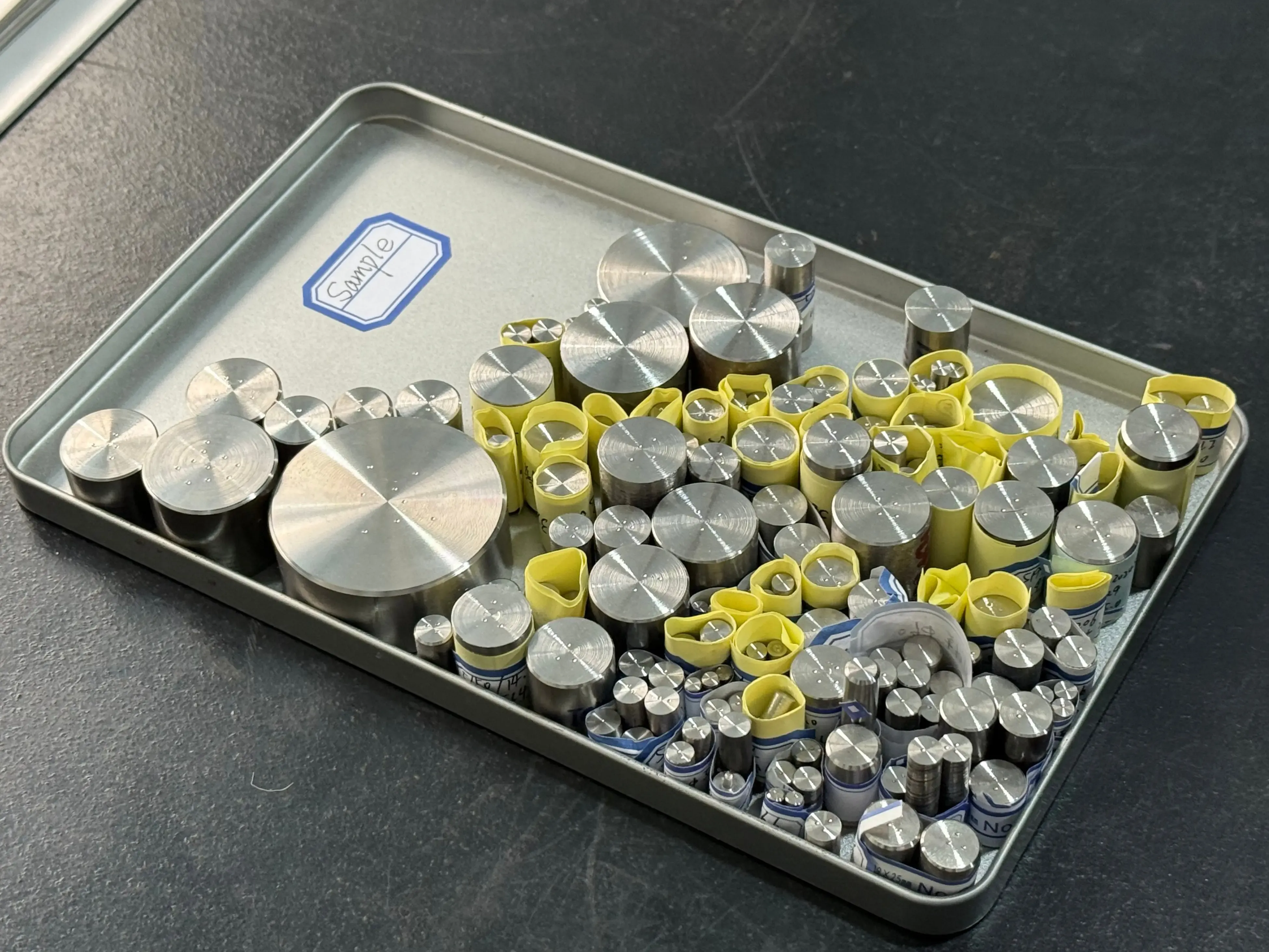
Sunxin supplies Grade 4 Titanium in sheet, bar, wire and tube forms, as well as custom cut dimensions.
Supported standards include ISO 5832-2, ASTM F67 and ASTM B348. The specific applicable standard must be confirmed based on the product form, end use and customer drawing requirements.
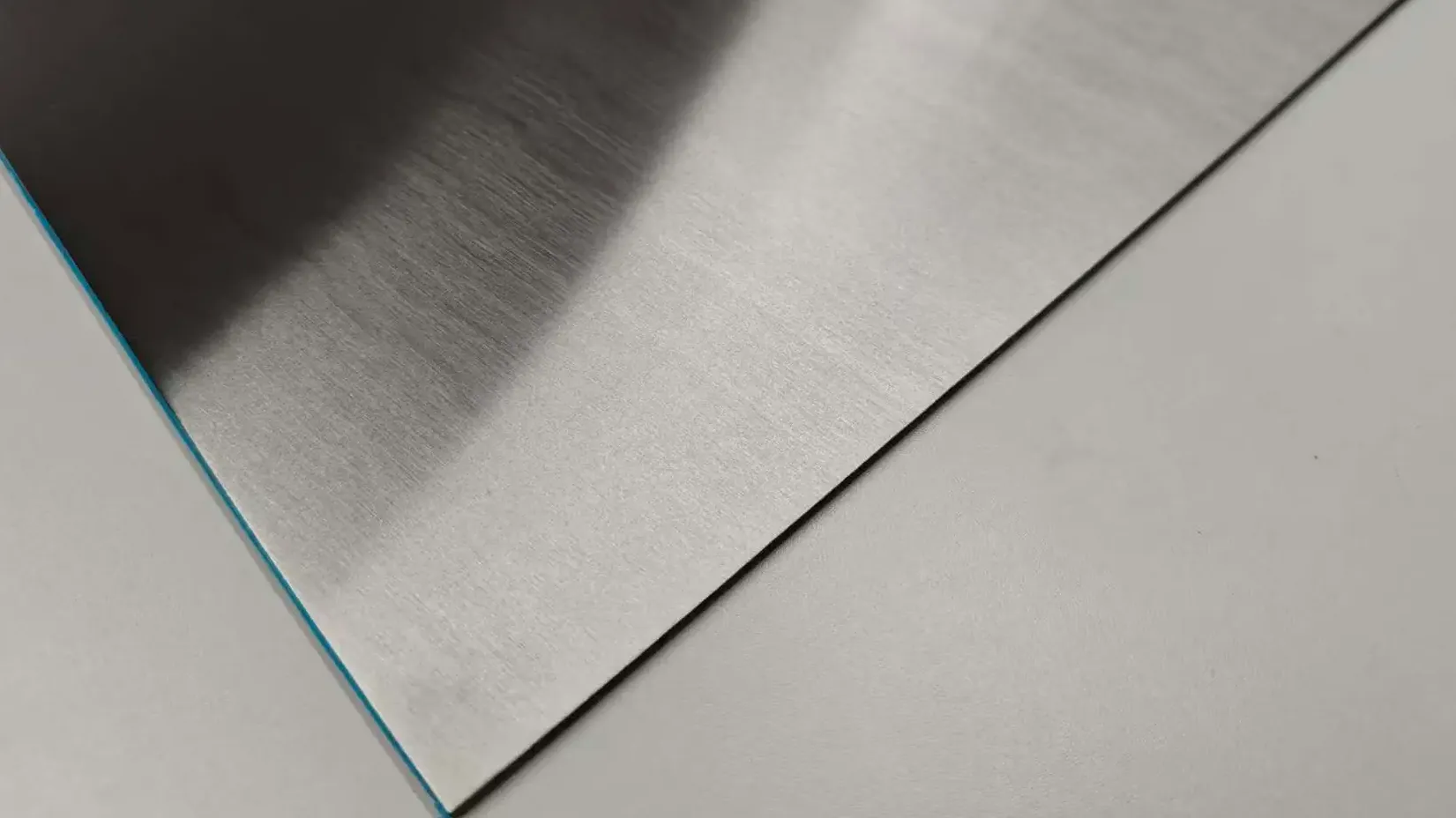
Available specifications include: sheets T0.5–T200.0 mm, mill-finished, standard lengths 200 / 250 / 300 mm, widths 200 / 300 / 500 / 1000 mm, tolerances -0.0 / +1.0 mm, supplied in the annealed condition.
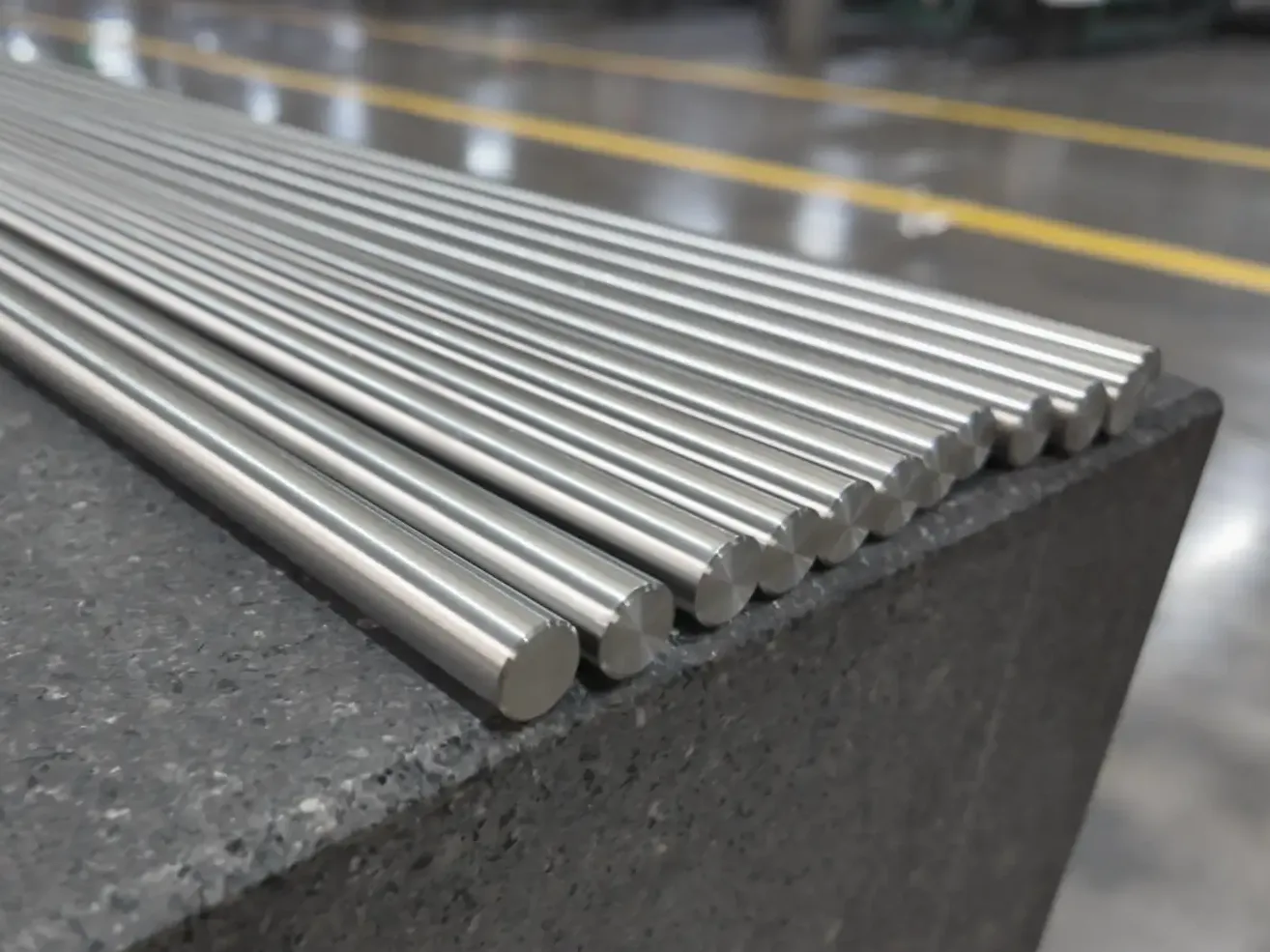
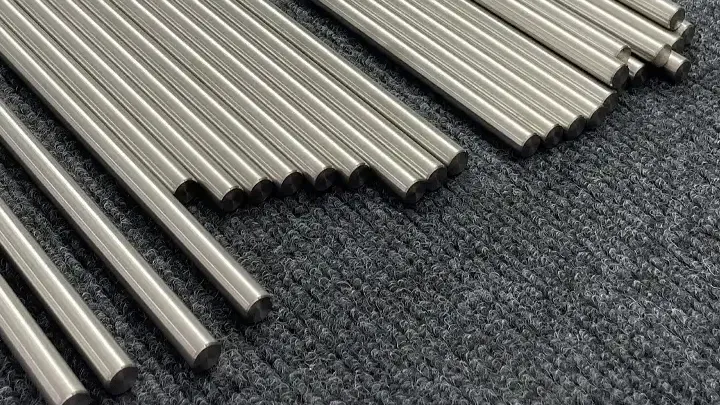
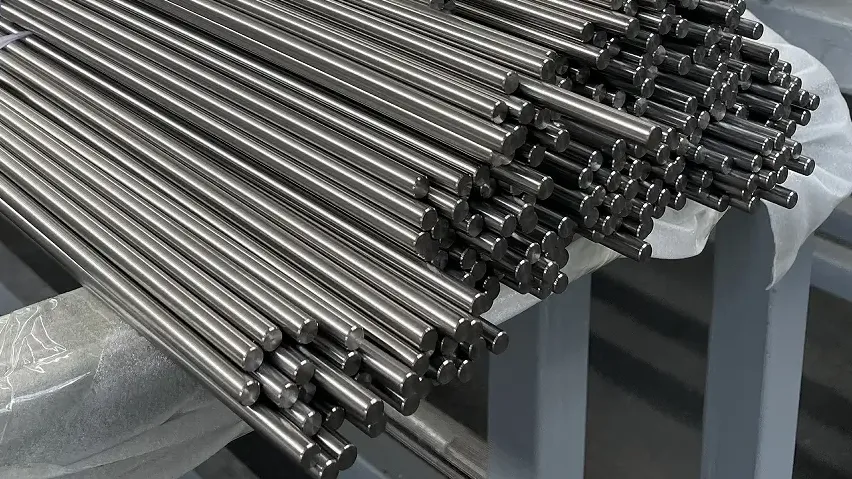
Bar specifications are Φ1.0–Φ200.0 mm, with a surface finish of ground or precision ground, standard length 3 m per piece, tolerances to be confirmed as h6–h9, delivered in the annealed condition.
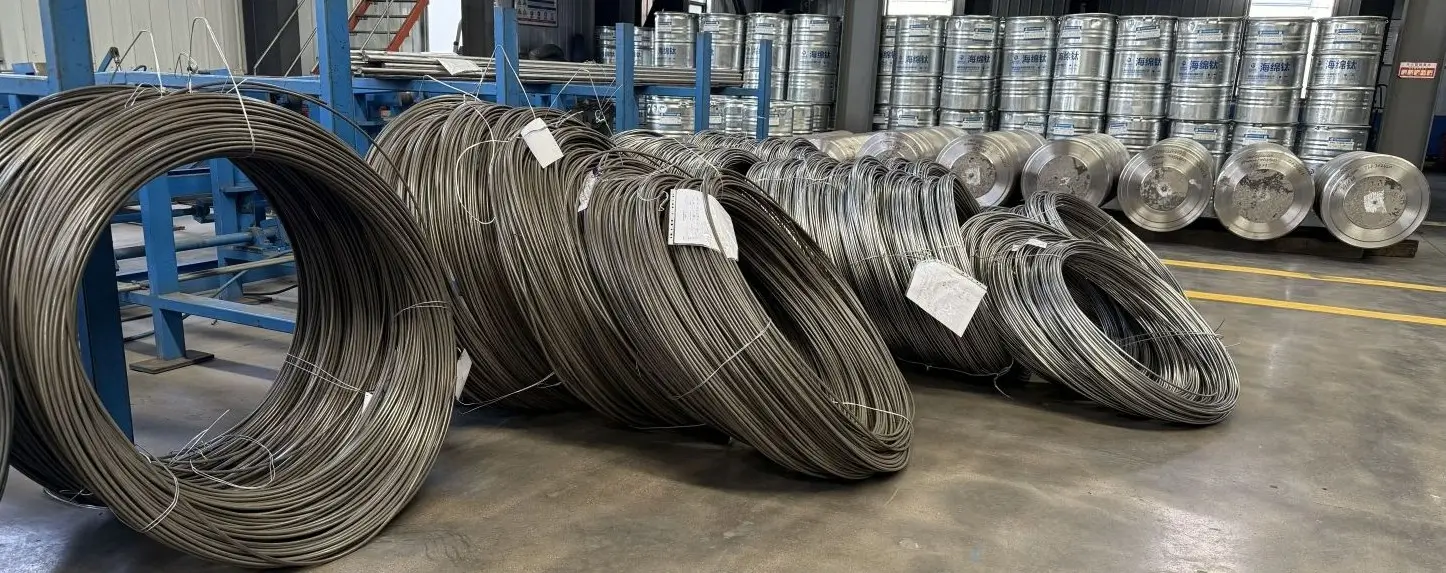
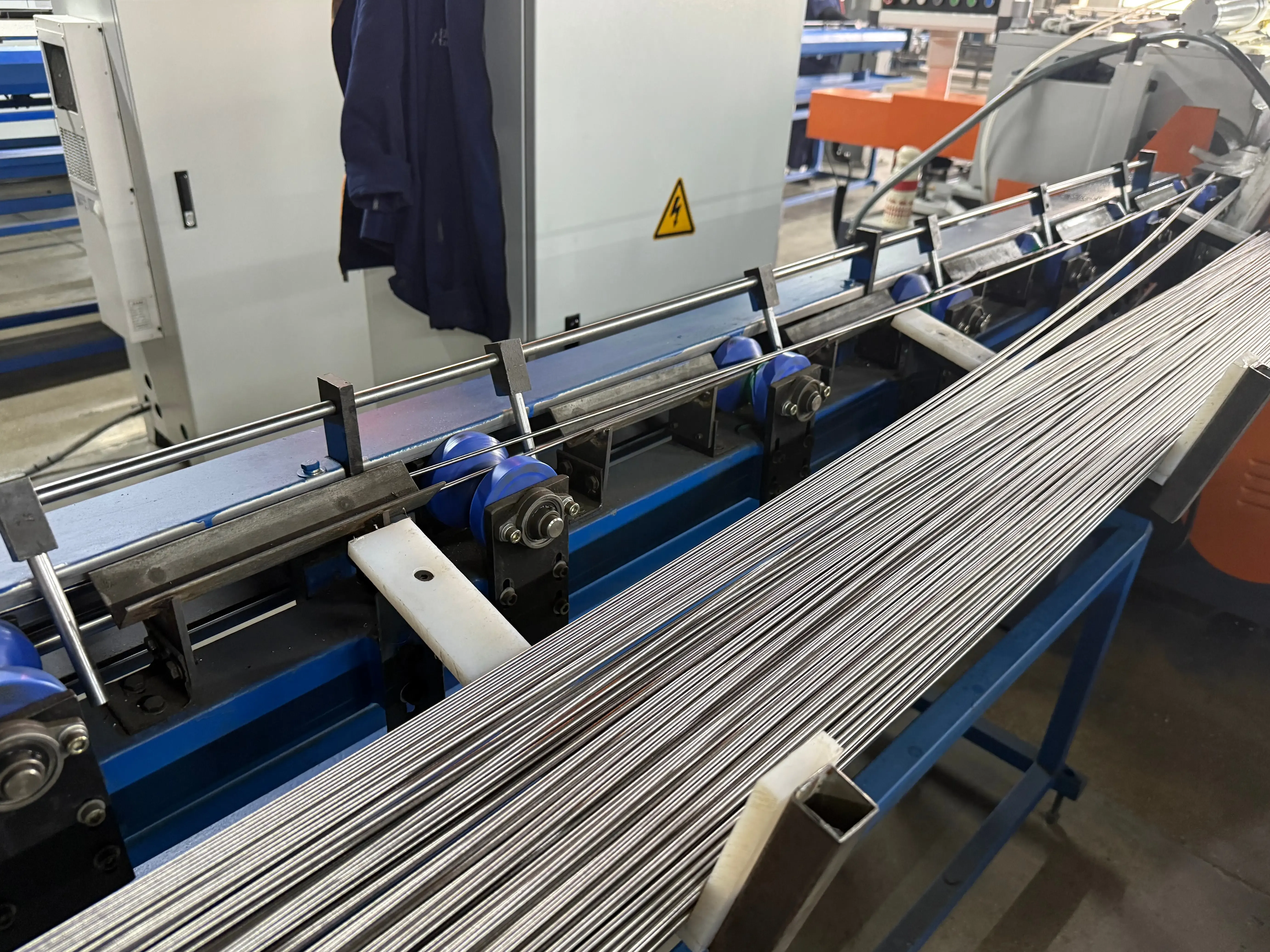
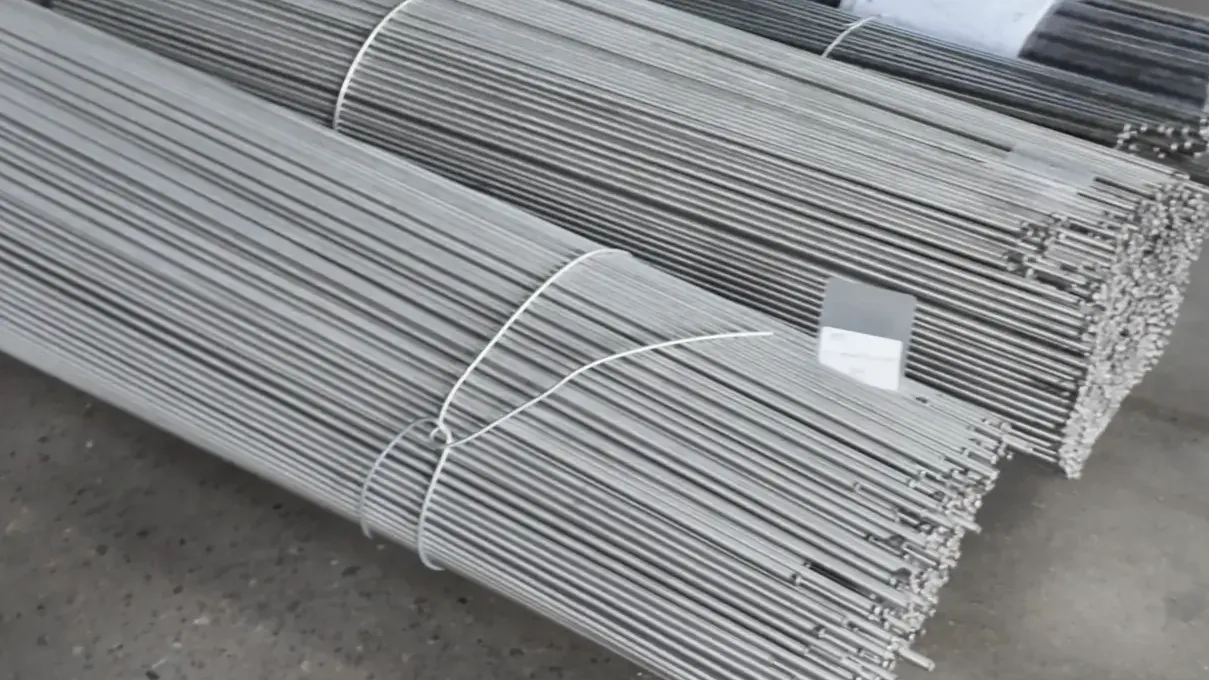
Wire specifications: Φ1.0–Φ3.0 mm, surface finish: polished or precision polished, standard length: 1 m per piece, tolerances: h6–h9, supplied in the annealed condition.
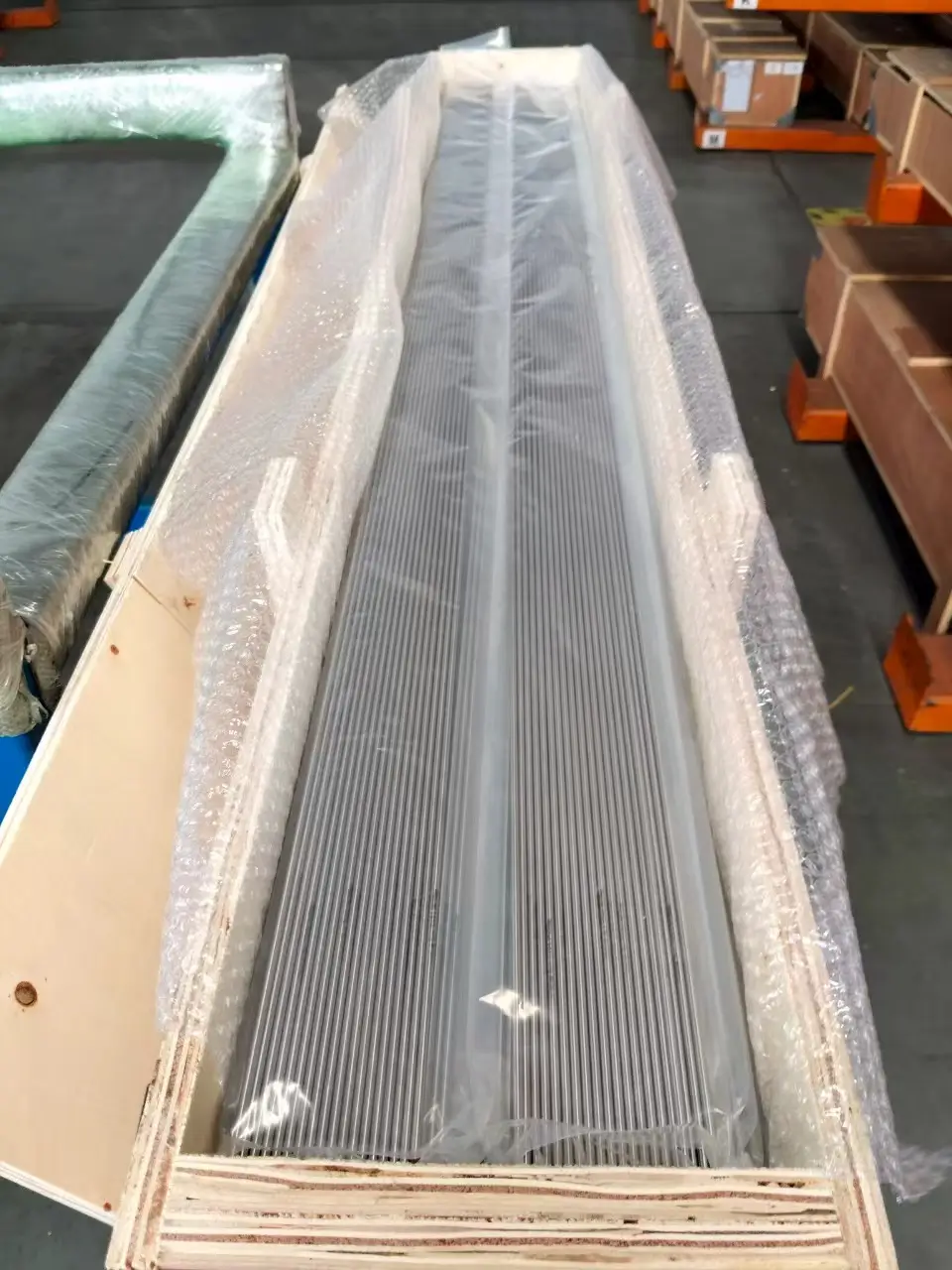
Tube specifications: outer diameter 1.0–10.0 mm, inner diameter 0.08–2.0 mm, surface finish polished or precision polished, standard length 3 m per piece, tolerances to be confirmed as h6–h9, delivered in the annealed condition.
Prior to production of Grade 4 Titanium projects, it is recommended to confirm the material form, delivery condition, surface finish, dimensions, tolerances and applicable standards. For medical, chemical, marine or other critical applications, it is also necessary to confirm strength requirements, corrosive environments, inspection items, quality documentation and traceability requirements.
Sunxin is certified to the ISO 13485 and ISO 9001 quality management systems. This means we are able to provide your project with rigorous batch management, comprehensive traceability controls, efficient testing coordination services and full quality documentation support, ensuring that every batch of material you purchase meets the highest standards.